 Jul 6th 2026
 Posted by Accuspire
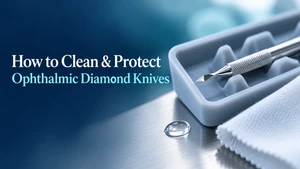
How to Clean and Protect Ophthalmic Diamond Knives
Ophthalmic diamond knives are precision reusable instruments designed to create highly controlled surgical incisions. Because the diamond blade is extremely delicate, proper handling, cleaning, inspection, and protection are essential to preserving instrument performance and extending service life.
For ophthalmic practices, ambulatory surgery centers, and sterile processing teams, an effective diamond knife reprocessing workflow can help reduce preventable blade damage and protect the value of a high-cost reusable instrument.
Why Proper Diamond Knife Care Matters
Diamond blades can be damaged by improper handling, contact with other instruments, excessive pressure, or inappropriate cleaning methods.
A consistent instrument-care protocol can help:
-
Remove tissue and protein deposits before sterilization
-
Reduce unnecessary handling of the blade
-
Protect delicate cutting edges from chipping or damage
-
Maintain consistent instrument performance
-
Extend the useful life of reusable diamond knives
Because reprocessing requirements vary between manufacturers, staff should always follow the current Instructions for Use (IFU) supplied with the specific instrument.
Cleaning a Diamond Knife With a Dedicated Blade Cleaning System
Dedicated systems such as the Opti-Kleen Diamond Knife Cleaning System are designed to remove tissue and debris from diamond knife blades before sterilization.
According to the manufacturer's Opti-Kleen instructions, the basic workflow includes the following steps.
1. Prepare the Cleaning System
Place the cleaning system in its holding tray and peel back the protective cover.
Carefully remove the diamond knife from its instrument tray and expose the blade according to the knife manufacturer's instructions.
2. Clean the Blade
Insert the soiled blade vertically into the soft cleaning pad.
Move the blade gently in a straight, cutting-like motion through an unused section of the pad. Avoid excessive pressure or pushing the blade unnecessarily deep into the material.
The cleaning material is designed to loosen proteins and other deposits from the blade surface.
3. Rinse Through the Cleaning Compartments
After cleaning, move the blade through the designated rinse compartments using the same controlled cutting-like motion.
Using a clean area for each instrument helps reduce the risk of transferring debris between instruments.
4. Inspect the Instrument
Following cleaning and rinsing, inspect the blade carefully for:
-
Remaining debris
-
Chips or cracks
-
Blade irregularities
-
Mechanical problems with the handle or retraction mechanism
Magnified inspection may be appropriate for delicate ophthalmic instruments.
5. Retract and Protect the Blade
Once cleaning is complete, retract the diamond blade fully into its protective handle when the instrument design allows.
The knife should then be placed in a dedicated instrument tray or protective system before subsequent reprocessing and sterilization.
Protecting the Knife During Reprocessing
Cleaning is only one part of protecting a reusable diamond knife.
Instrument trays with appropriate silicone mats or protective positioning can help prevent delicate instruments from moving or contacting one another during handling and processing.
Good tray organization can also help sterile processing staff quickly identify:
-
Delicate instruments
-
Blade orientation
-
Missing instruments
-
Instruments requiring additional inspection
Accuspire offers ophthalmic instrument and sterilization solutions that can support organized reprocessing workflows.
Explore Ophthalmic Instruments and Clinical Supplies:
https://www.accuspire.com/categories
Accuspire also carries reusable ophthalmic knife categories for practices looking to expand or replace their surgical instrumentation.
Important: Follow the Manufacturer's IFU
Diamond knife care instructions are not identical across manufacturers.
For example, some manufacturers provide specific ultrasonic-cleaning procedures, while others advise against ultrasonic cleaning because of the potential for blade damage.
For this reason, practices should never apply one manufacturer's cleaning protocol universally to every diamond knife.
Always verify:
-
Approved cleaning agents
-
Water specifications
-
Ultrasonic-cleaning compatibility
-
Sterilization parameters
-
Drying requirements
-
Recommended protective trays or accessories
before processing the instrument.
Building a Better Instrument-Care Workflow
For surgery centers and ophthalmic practices, standardized instrument-care procedures can help protect both clinical performance and capital investment.
Consider incorporating the following into your workflow:
-
Immediate post-procedure handling procedures
-
Dedicated cleaning systems for delicate blades
-
Magnified inspection after cleaning
-
Protective instrument trays
-
Staff training based on manufacturer IFUs
-
Routine monitoring for damage or reduced performance
Key Takeaways
-
Diamond knives require careful handling because of their delicate cutting surfaces.
-
Remove tissue and debris before sterilization using an approved cleaning method.
-
Avoid excessive pressure or unnecessary blade contact during cleaning.
-
Protect the knife in a dedicated instrument tray during reprocessing.
-
Inspect the blade and mechanism routinely.
-
Always follow the specific manufacturer's IFU for cleaning and sterilization.
Protect Your Reusable Ophthalmic Instruments
Proper reprocessing helps practices protect valuable reusable instrumentation while maintaining an efficient surgical workflow.
Explore ophthalmic instruments, reusable knives, sterilization trays, and instrument-management solutions available through Accuspire:
Disclaimer: The content in this article is intended for informational purposes only. It is not a substitute for professional medical advice, diagnosis, or treatment. Always consult qualified healthcare professionals before making changes to your routine, tools, or purchasing practices. AccuSpire is not liable for any decisions made or actions taken based on this content.