 Jun 19th 2026
 Posted by AccuSpire
Eye Injury Prevention and Management: Best Practices for Eye Care Professionals
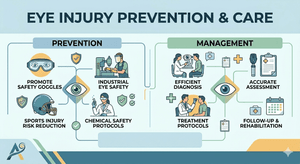
Eye Injury Prevention & Management
Clinical protocols for prevention, patient education, and emergency response in eye care practices.
Eye injuries remain a significant cause of preventable vision impairment worldwide. While many injuries occur in occupational settings, eye care professionals frequently encounter patients with ocular trauma resulting from household activities, recreational accidents, gardening equipment, chemicals, sports, and power tools.
For ophthalmology and optometry practices, establishing effective protocols for injury prevention, patient education, and emergency management is essential to improving outcomes and reducing the risk of permanent vision loss.
Understanding the Impact of Eye Injuries
Ocular trauma can range from minor surface irritation to severe globe injuries that threaten vision. Common causes of eye injuries include:
Many of these injuries are preventable through proper eye protection and patient education.
Common Eye Injuries in Clinical Practice
- Foreign body contact
- Dust and debris
- Fingernail injuries
- Contact lens misuse
- Pain
- Excessive tearing
- Photophobia
- Foreign body sensation
Prompt diagnosis and treatment help reduce the risk of infection and complications.
Foreign bodies may become lodged on the ocular surface or penetrate deeper ocular structures. Common sources include:
- Metal fragments
- Wood particles
- Construction debris
- Yard maintenance equipment
Common agents include:
- Household cleaners
- Industrial chemicals
- Fertilizers
- Herbicides
- Pesticides
Initial management typically includes immediate and prolonged irrigation followed by urgent ophthalmic evaluation.
Sports injuries, falls, and workplace accidents can result in:
- Hyphema
- Retinal injury
- Orbital fractures
- Traumatic cataracts
Comprehensive examination is necessary to identify both visible and hidden complications.
Prevention Strategies for Eye Care Practices
Patient education remains one of the most effective methods of reducing preventable eye injuries. Practices should encourage patients to:
Educational materials can significantly improve compliance and awareness.
Emergency Response Guidelines
Eye care practices should maintain standardized protocols for ocular trauma cases.
- Avoid applying pressure to the eye.
- Shield the affected eye.
- Do not attempt foreign body removal.
- Arrange immediate emergency referral.
- Begin irrigation immediately.
- Continue flushing for an adequate duration.
- Assess ocular surface damage.
- Refer as necessary for advanced management.
Supporting Efficient Trauma Care
Effective eye injury management depends not only on clinical expertise but also on having the appropriate instruments and supplies readily available. Practices should maintain access to:
- Ophthalmic examination instruments
- Sterilization and instrument management systems
- Disposable clinical supplies
- Emergency eye care accessories
- Diagnostic equipment
Having well-organized examination and treatment areas can improve response times and support efficient patient care.
Explore ophthalmic instruments, sterilization products, diagnostic tools, and clinical supplies through the AccuSpire product categories.
Browse Clinical Supplies →Infection Control Considerations
Patients presenting with ocular trauma often require multiple examinations and procedures. Maintaining proper infection control protocols helps:
Reliable instrument management and sterilization procedures should be incorporated into every clinical workflow.
Key Takeaways
- Many eye injuries are preventable through proper education and protective eyewear.
- Foreign body, chemical, and blunt trauma injuries require prompt assessment.
- Early intervention improves visual outcomes.
- Standardized trauma management protocols support efficient patient care.
- Proper ophthalmic instruments and clinical supplies help practices respond effectively to ocular emergencies.
Final Thoughts
Ocular trauma remains a common reason for emergency eye care visits. Eye care professionals play a critical role in both prevention and treatment. Through patient education, rapid assessment, and effective clinical protocols, practices can help reduce vision-threatening complications and improve long-term outcomes.