 May 6th 2026
 Posted by AccuSpire
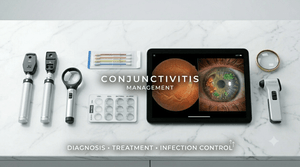
Conjunctivitis Management: Diagnosis, Treatment & Infection Control
Diagnosing & Managing Conjunctivitis
A clinical reference for accurate diagnosis, treatment strategy, and infection control in eye care practices.
Conjunctivitis is one of the most common ocular conditions encountered in ophthalmology and optometry practices. While often referred to as "pink eye," conjunctivitis encompasses a range of inflammatory conditions affecting the conjunctiva — the transparent membrane covering the sclera and inner eyelid surfaces.
For eye care professionals, accurate diagnosis is critical. Misidentifying the cause of conjunctivitis can lead to inappropriate treatment, prolonged symptoms, unnecessary antibiotic use, and increased risk of transmission.
Why Accurate Diagnosis Matters
Conjunctivitis may present with similar symptoms regardless of the underlying cause. However, treatment strategies differ significantly depending on whether the condition is viral, bacterial, allergic, or irritant-induced.
An effective clinical evaluation helps determine:
Early diagnosis can improve patient outcomes while reducing the risk of complications and community spread.
Common Signs and Symptoms
Patients with conjunctivitis may present with:
The severity and combination of symptoms often provide valuable diagnostic clues.
Types of Conjunctivitis
Viral conjunctivitis is highly contagious and commonly associated with upper respiratory infections. Typical findings include:
- Watery discharge
- Follicular reaction
- Redness
- Bilateral involvement after initial unilateral presentation
Management is generally supportive and focuses on symptom relief and patient education.
Bacterial conjunctivitis is characterized by:
- Thick mucopurulent discharge
- Eyelid crusting
- Conjunctival hyperemia
Treatment often involves topical antibiotic therapy when clinically indicated.
Allergic conjunctivitis occurs when the immune system reacts to allergens such as:
Common symptoms include:
- Intense itching
- Tearing
- Bilateral redness
- Eyelid swelling
Management includes allergen avoidance and appropriate anti-allergy medications.
Environmental irritants may trigger conjunctival inflammation. Common causes include:
- Chemical exposure
- Smoke
- Airborne pollutants
- Foreign body particles
Identifying and eliminating the source of irritation is often the primary treatment goal.
Neonatal Conjunctivitis
Neonatal conjunctivitis requires prompt medical attention due to the risk of serious complications. Potential causes include:
- Maternal bacterial infections
- Viral infections
- Chemical irritation
Infection Control in Clinical Settings
Because viral and bacterial conjunctivitis are highly transmissible, infection control should be a priority for every eye care practice. Recommended protocols include:
Effective infection control protects both patients and clinical staff.
Clinical Supplies That Support Conjunctivitis Management
Managing conjunctivitis effectively requires more than diagnosis and treatment. Proper clinical supplies can improve efficiency, patient comfort, and infection control. Practices should maintain access to:
- Disposable ophthalmic supplies
- Eyelid hygiene products
- Diagnostic instruments
- Sterilization and instrument management solutions
- Examination room essentials
Explore ophthalmic instruments, diagnostic accessories, sterilization products, and clinical supplies through the AccuSpire categories page.
Browse Clinical Supplies →Improving Patient Education and Compliance
Patient education plays a significant role in reducing transmission and improving outcomes. Clinicians should advise patients to:
Clear instructions help minimize reinfection and improve treatment success.
Key Takeaways
- Conjunctivitis is a common condition with multiple underlying causes.
- Accurate diagnosis is essential for effective treatment.
- Viral and bacterial conjunctivitis require strict infection control measures.
- Allergic and irritant-induced conjunctivitis require different management strategies.
- Proper clinical supplies and sterilization practices support efficient patient care.
Final Thoughts
Although conjunctivitis is frequently encountered in clinical practice, successful management depends on accurate diagnosis, effective infection control, and patient education. Eye care practices that combine strong clinical protocols with reliable ophthalmic supplies can improve patient outcomes while maintaining efficient workflows.