 Jan 19th 2026
 Posted by AccuSpire
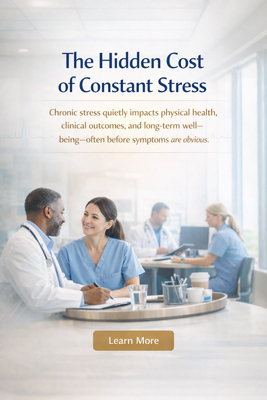
The Hidden Cost of Constant Stress
Stress is often dismissed as a temporary mental or emotional challenge—something that will pass once workloads ease or schedules normalize. But when stress becomes constant, its effects extend far beyond mood or mindset. Chronic stress places ongoing strain on the body, quietly influencing physical health, cognitive performance, and long-term well-being.
For healthcare professionals and patients alike, the cost of unmanaged stress is often hidden until it begins to affect outcomes.
How Chronic Stress Affects the Body
When the body remains in a prolonged state of stress, it continuously activates physiological stress responses. Over time, this can disrupt multiple systems at once.
Research has shown that prolonged stress may:
- Alter hormonal balance, particularly cortisol regulation
- Increase systemic inflammation
- Weaken immune response
- Disrupt sleep quality and recovery cycles
These changes don’t always present immediately. Instead, they accumulate gradually—making chronic stress difficult to recognize and easy to normalize.
Long-Term Health Implications
Persistent stress has been linked to a range of health concerns, including cardiovascular disease, metabolic imbalance, fatigue, and delayed healing. Because symptoms often develop slowly, stress-related strain may go unnoticed until it begins to interfere with daily function or clinical outcomes.
In healthcare settings, this can affect both patients and clinicians. Sustained focus, long hours, and cognitive overload can amplify physical stress responses, influencing performance, decision-making, and resilience over time.
Why Awareness Matters in Clinical Environments
For clinicians, understanding the physiological impact of chronic stress is essential. Stress doesn’t only influence how individuals feel—it affects how the body responds, recovers, and performs.
Recognizing early signs of prolonged stress can support:
- More proactive patient conversations
- Improved preventive strategies
- Better long-term health outcomes
Small, intentional adjustments—whether in routines, workflow awareness, or recovery practices—can help reduce cumulative strain.
Addressing Stress Is Preventive Care
Managing stress isn’t about slowing productivity or lowering standards. It’s about protecting consistency, clarity, and long-term health. Addressing stress early allows individuals and care teams to remain effective, focused, and resilient in demanding environments.
The cost of constant stress may be subtle—but its impact is real. Awareness is the first step toward prevention.
Support Better Outcomes—Even During Demanding Days
Managing stress is part of delivering consistent, high-quality care. Having the right tools in place can help reduce unnecessary strain, support comfort, and keep workflows running smoothly—especially in high-pressure clinical environments.
Explore our trusted medical supplies designed to support efficiency, comfort, and reliable care when it matters most.
Earn points with every purchase, and use code XSTVC10 for 10% OFF your order today.
Disclaimer: The content in this article is intended for informational and motivational purposes only. It is not a substitute for professional medical advice, diagnosis, or treatment. Always consult qualified healthcare professionals before making changes to your routine, tools, or purchasing practices. Accuspire is not liable for any decisions made or actions taken based on this content.